
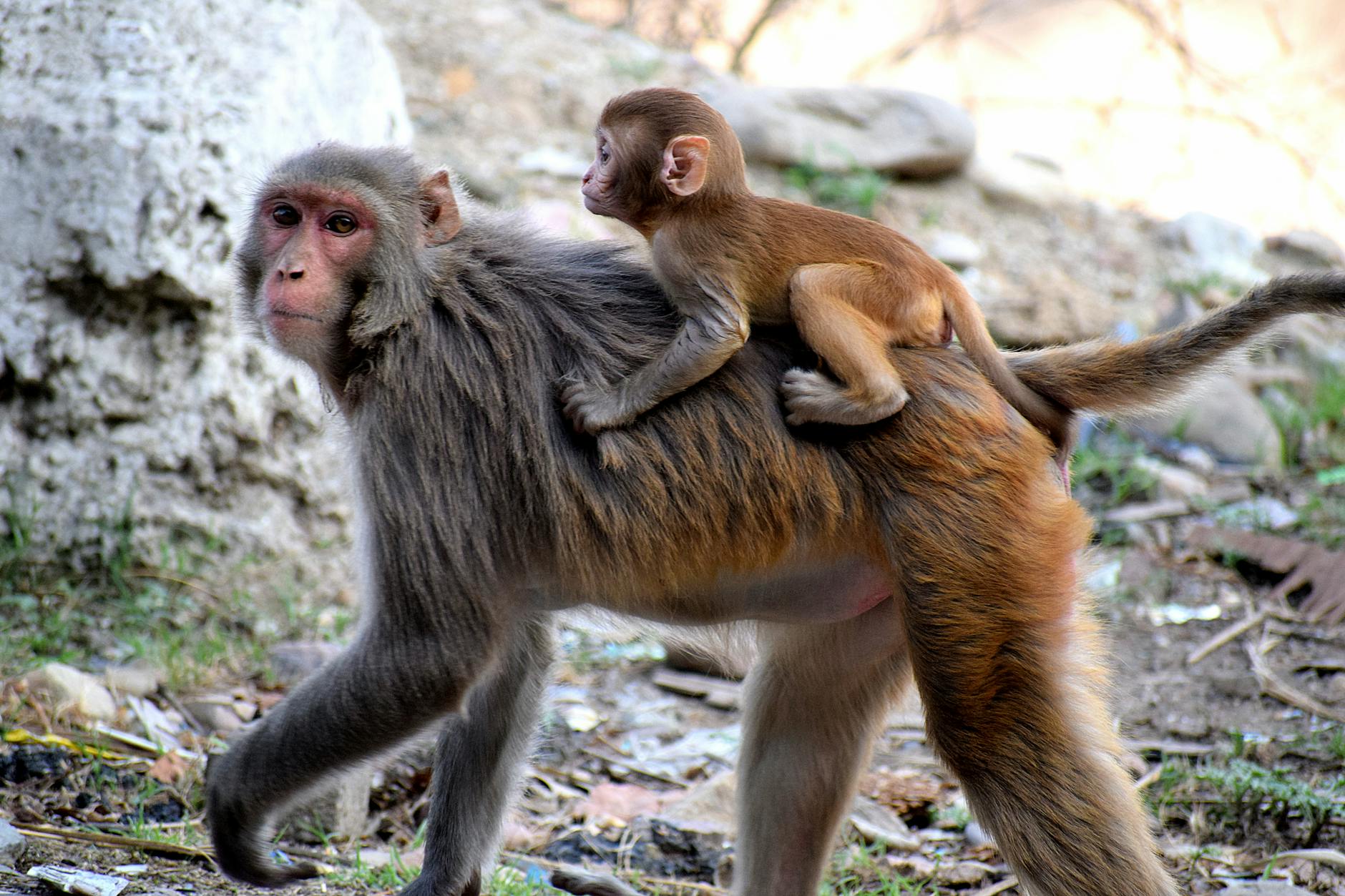
For sixty years, they lived in cages. Now, a single unanimous vote might change everything for America’s largest primate research colony — and nobody is quite sure what happens next.
On February 9th, the board of Oregon Health & Science University voted to open negotiations with the NIH over converting the Oregon National Primate Research Center into a full primate sanctuary. Nearly 5,000 macaques, baboons, and other non-human primates — roughly 5% of all research primates in the United States — could be looking at a profoundly different future.
This isn’t a done deal. The vote opens a 180-day negotiation window, not a champagne moment. Transitioning a 67-hectare research campus into a functioning sanctuary would cost somewhere between $220 and $291 million. The centre’s own director called the announcement a betrayal. Faculty are furious. Scientists across the country are worried about what losing the facility means for HIV research, cancer vaccines, and reproductive medicine — all areas where ONPRC has contributed genuinely important work.
But here’s what makes this a conservation win worth watching: the science itself is shifting. The NIH, FDA, EPA, and CDC have all begun moving away from primate models toward AI-driven research and organ-on-chip technologies. The question is no longer really if this transition happens — it’s whether institutions get ahead of it humanely, or scramble when funding disappears.
For the 5,000 primates in Beaverton, Oregon, that distinction is everything. Sanctuary life — stable social groups, outdoor enclosures, enrichment, no experiments — offers something a research colony structurally cannot: the chance to just be.
The negotiations are live. We’ll be watching every step.
Leave a Reply